
Good Morning! 🏃🏻♂️
Trail running is the most selfish thing I do. Even if I don’t get around to doing it as often as I wish. It is also, somehow, the most communal.
You go out alone into something hard, for reasons nobody else can fully access, and then the moment you finish the whole thing belongs to everyone who has ever done it. That contradiction is the engine of the sport, and it is also the reason the sport is so hard to write about, sell, or scale without losing the plot. The five articles below circle it from different directions: culture and class, one runner’s absurd origin story, an elite training block, and the open question of who gets to tell these stories at all.
Enjoy these Five Things Running!
The Trail was Always the Teacher

Trail running is simultaneously the most selfish and most selfless pursuit I know. You go alone into something hard. Profoundly alone, at 3 a.m., in the cold, with a headlamp and a list of things your body would prefer you not do. That’s selfish in the most elemental sense — a private reckoning. But here is what the elders taught me: the moment you finish — or don’t — that story belongs to the community. It becomes part of the shared library. The veteran at the aid station who looks you in the eye and says I’ve been here. I know what this is — that is culture operating exactly as designed.
This is why no FKT, no podium finish, no race series acquisition can touch the center of this thing. The center is a conversation between a person and a trail and, eventually, between that person and everyone else who has had the same conversation. That exchange is ancient. It is not going anywhere.
On point.
C is for Community. C is for Culture.

There were repeated comparisons to skateboarding, and I reject them wholeheartedly based on the simple fact that skateboarders are cool. Skating is an anti-establishment subculture. Skaters challenge societal norms simply by using the built environment (parking lots, stairs, railings) for a secondary, often-destructive recreational activity.
Trail running on the other hand is just running through public lands with thousands of dollars of equipment, occasionally adding another hefty bill (entry, flights, hotel, crew) to run a race. The time and money required dictates that trail runners come from a different socio-economic class than those who take a board to a parking lot to grind curbs.
I am glad we have people like Raziq Rauf who continue to point out what we need to improve to make our sport more inclusive.
I Ran A Marathon. Here’s Why I’m Dumb Enough To Do It Again.

It was Mick Jagger who got me into running. This sounds comical, not least because of all the hobbies one might plausibly inherit from the Rolling Stones frontman — from the music to his signature struts, to cocaine addiction — the one I picked up was much worse: long-distance running. But there he was, in an interview, explaining how he manages to stay in such preposterous shape well into his 70s while continuing to prance across stadium stages like a possessed aerobics instructor. His secret, apparently, is running.
What a great way to start an article about running a marathon. It got me hooked right away.
How Vincent Bouillard Trained for Western States
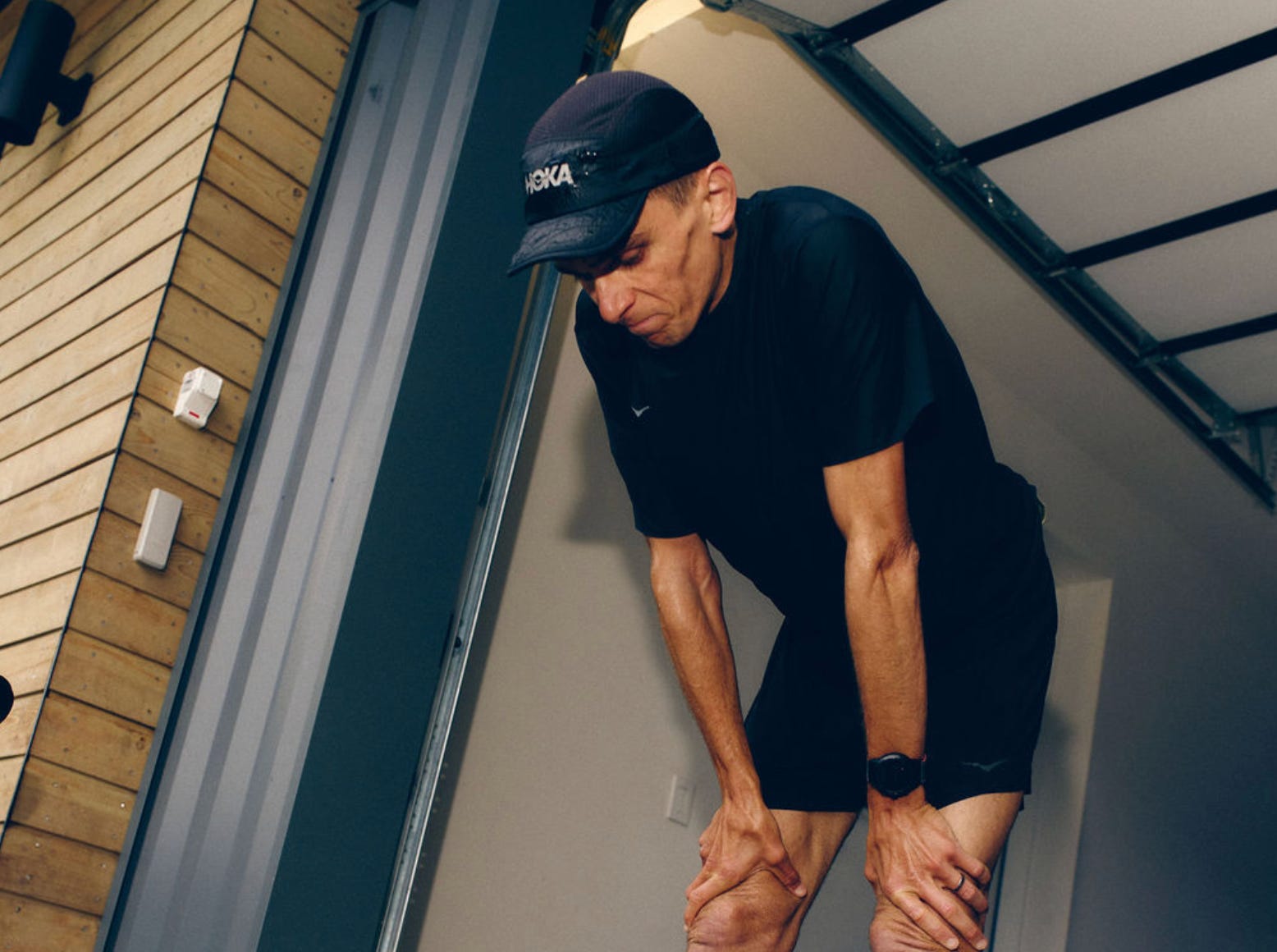
As the coach of such an incredible athlete, my main job is just not to screw him up. Like many of us, Vincent enjoys smashing himself in training. Part of the reason he wanted to work together in the first place was to make sure he was doing that productively so that he could bounce back and do it again a few days later. The other part was that in addition to working part time on the innovation team at Hoka, he was going to be a dad soon and wanted to make the most of his training time so that he could still be a good employee, partner, and parent. Our relationship is very much a collaboration. I wrote out the training two weeks at a time, and his input and feedback were essential to making it work.
I honestly don’t know how people do this: running, job, family - I don’t have the discipline for that, let alone the urge to have the discipline for that. It’s impressive.
The Return of Trail Running Journalism?
In all seriousness, the more interesting question sits above all of that: in a landscape where trail news is no longer chased by journalists but fed straight to hungry Instagram aggregation accounts by PR teams, and where the sharpest independent analysis lives on Substack but is narrow (one athlete’s training log, one gear obsessive’s spreadsheet, more opinions on the story of the sport as a whole than are necessary) what’s the actual lane TrailRunner is claiming? Its own framing pushes toward the terrain the aggregators and Substackers already occupy: personality, lifestyle, vibe, speed - but with more resourcing and bigger pockets.
Methinks that the trailrunning space is still too small for more independent and objective journalism that moves beyond tales by runners and sponsored shoe reviews.
If you missed last week’s edition, you can read it here:

Now, go running!
— Nico
🏃🏻♂️