
Good Morning! 🏃🏻♂️
I had the brilliant idea to go running during the most extreme heat wave we ever had in Northern Germany. I tried to go running early in the morning, but then life happened and I finally left the house around 11 and it was already getting hot outside. The heat and my general lack of fitness was not the best combination for a run, but I had a good time nonetheless, even though it felt as if I could drink buckets of water afterwards. Unfortunately I hadn’t read the really interesting article about hydration before my run, but you will be prepared if you read that article - and the other four.

I am still trying to get into the running flow again, but the late night soccer live broadcasts are not really helping with getting up early…
2026 Western States 100 Results: Jenn Lichter and Vincent Bouillard Set Course Records in Cool Weather

It was safe to say that expectations were high for a new record or two this year as runners set out on the 100.2-mile journey across the Sierra Nevada over a course that challenges with its 18,000 feet of climbing and 22,000 feet of descent.
In a testament to the ideal race temperatures, and the exceptionally strong field, the second to fourth runners – Francesco Puppi of Italy, Ryan Montgomery, and Thomas Cardin of France, were also all under the previous men’s course record, with Zach Miller’s fifth-place time still the 10th fastest time in men’s race history.
I spent some time watching this and while I do not believe that these kind of races will ever become mainstream spectator events, the performances each year are nothing but extraordinary.
‘Without Fear:’ Trail Running Is More Than a Sport for These Run Clubs

Between President Trump’s immigration crackdown and a rise of racially motivated hate crimes in recent years, it hasn’t been easy for people of color to feel safe, according to the runners interviewed for this story. But now trail running groups like Sin Miedo are popping up around the country, giving more Americans a chance to get outside.
“ICE was coming in May of last year and taking people away from their families,” Marrero said. “We made a conscious decision to say, ‘We’re going to show up.’ These things happening around us are awful and destroying our community, but we’re going to help people escape for an hour or two. And so many people have shown up in the group, providing help to those who need it. Places to stay, food, whatever… The trail running has been the catalyst for us to continue showing up for each other.”
It’s sad that this is necessary, but it is wonderful how run clubs can create community and make people feel better.
Running Is Free Until You Become a Runner

The assumed cost of running is always physical. The repeated impact, the stress on your joints, multiplied across every stride. The average 5-mile run is 10,000 steps. Do the math on your own mileage and the strain we put ourselves through becomes hard to ignore. We keep going anyway, until we eventually need new knees - at least according to every non-runner with one podcast mic and zero medical credentials.
But lately I’ve been wondering about the other cost…
The financial one.
Running is supposed to be the simple sport. Basically free. A pair of shoes, a road, maybe a watch if you’re trying to flex online. But after five years of diving headfirst into the economy of running, I can say with confidence: this sport is not free.
I made a deliberate decision about a year ago to ignore all those in the runnings space who only talk about the latest products and want us to buy more and more. Turns out that I can run in last season’s shoes and in shorts I bought years ago.
Is Hydration Just as Important as Your Carb Intake?

Hydration is not secondary to carbohydrates. They are equal partners in performance. Understanding your sweat rate and sweat sodium concentration gives you the tools to create a personalized hydration strategy that supports your training, keeps you safe, and helps you perform at your best.
Taking time to get hydration right pays off on every long run and every race.
Drink up!
Unofficial Rules of the Trail
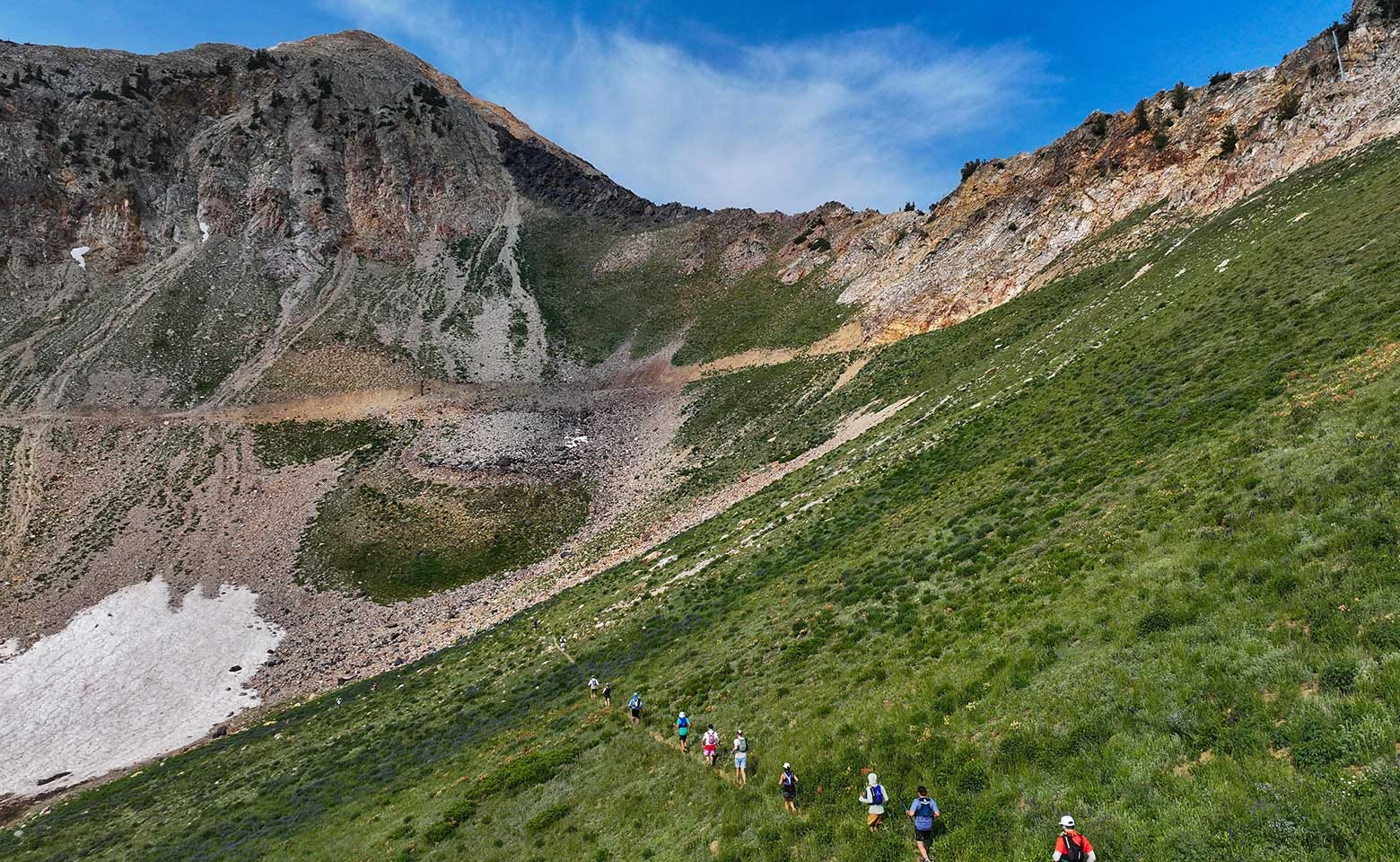
There are no official “Rules of the Trail.” No one hands you a rulebook when you take your first step onto the dirt, and there’s no pre-race briefing where someone explains that you should always pack an extra snack or jacket, that the best climbs are for hiking and soul-searching or that small clothing problems will, without exception, become very big clothing problems. These are things you learn the way most trail runners learn everything: slowly, stupidly and usually the hard way.
Spend enough time on trails – long runs, wrong turns, thunderstorms, the emotional rollercoaster of running for 10 or 20 or 30 hours – and you start to develop a set of rules. Not rules you have to follow, but rules that, if ignored, will eventually teach you why they exist.
Experience can be really helpful when you’re on the trail, so learn from others and havea look at these rules.
If you missed last week’s edition, you can read it here:

Now, go running!
— Nico
🏃🏻♂️