
Good Morning! 🏃🏻♂️
I finally managed to get something like a long run in, after weeks of just running shorter distances. It feels awesome to be able to run 16 km again, especially since I only have a few weeks left until my favorite race of the year. Now I just need to figure out how to get to 26 km.

One thing I realized today is how wonderful it is to run for longer than one hour - the mind starts wandering off and starts to relax, while the body get nicely exhausted. Now I am hoping for a nice regeneration phase and then I’ll do intervals to get a bit faster again.
It feels so good to be back into running. So much better than last week.
Running’s Price Tag

Running used to be fairly straightforward. You bought a pair of shoes, went outside and ran. If you enjoyed it, you might sign up for a race. If you enjoyed that too, things often get out of hand rather quickly. I speak from experience.
Today, there is a whole economy built around every conceivable aspect of being a runner. The industry has become extremely good at convincing us that our existing gear is outdated and that our running experience would improve significantly if we purchased whatever has just been released.
Of course, there’s some innovation in there. Modern running shoes are better than many of their predecessors. GPS watches can be super useful. Nutrition research has changed endurance sports for good. I wouldn’t want to go back to running 100 miles with a stopwatch and a packet of biscuits.
That’s why we have so many Runfluencers, they are just trying to afford the basic outfit.
Running is dead
You need to understand that anything on earth has a cycle, like a wave: you get hype, then early adopters, then mass market, then the wave gets into the shorebreak, hits the sand, and you are dry and corny before becoming cool again, and the wave comes back to the lineup. This is running - running is just the norm now, nothing cool about it, it’s just a go-to - and since it also became a Tinder social community thing, and pretty much everyone dates everyone in the same city, they need to change sports in order to meet new people. Strava found that almost one Gen Z in five had dated someone met through exercise. And this is where Hyrox, globally, is so important, or pickleball in Vietnam, doing the same kind of bridge-the-gap work.
I don’t think running is dead. It is evolving. It’s not as much hype as Hyrox, which was founded here in Hamburg, btw. And while I acknowledge that there are hype cycles, I do not see that running is slowing down.
I Was Stuck in a Running Rut. Taking on a Trail Race Helped Rewire My Brain.

I truly let go of my temptation to chase numbers on that ascent. And as I began to eye my competitors, I couldn’t help but think about the old adage that you can’t run someone else’s race. I realized as I was fighting to make my way up those first hills that on the trail, it goes a step further: You can only run the race the trail gives you. If you try to push beyond, there are too many factors that will humble you, quick. You can come prepared and equipped as best you can, but once the gun goes off, you’re going against the terrain, the weather, your stomach—the list goes on.
The best thing about a race is the training for it. If you can focus on the training, everything else will follow.
I tried the brutal running craze that’s totally addictive – here’s what it’s really like to do a backyard ultra
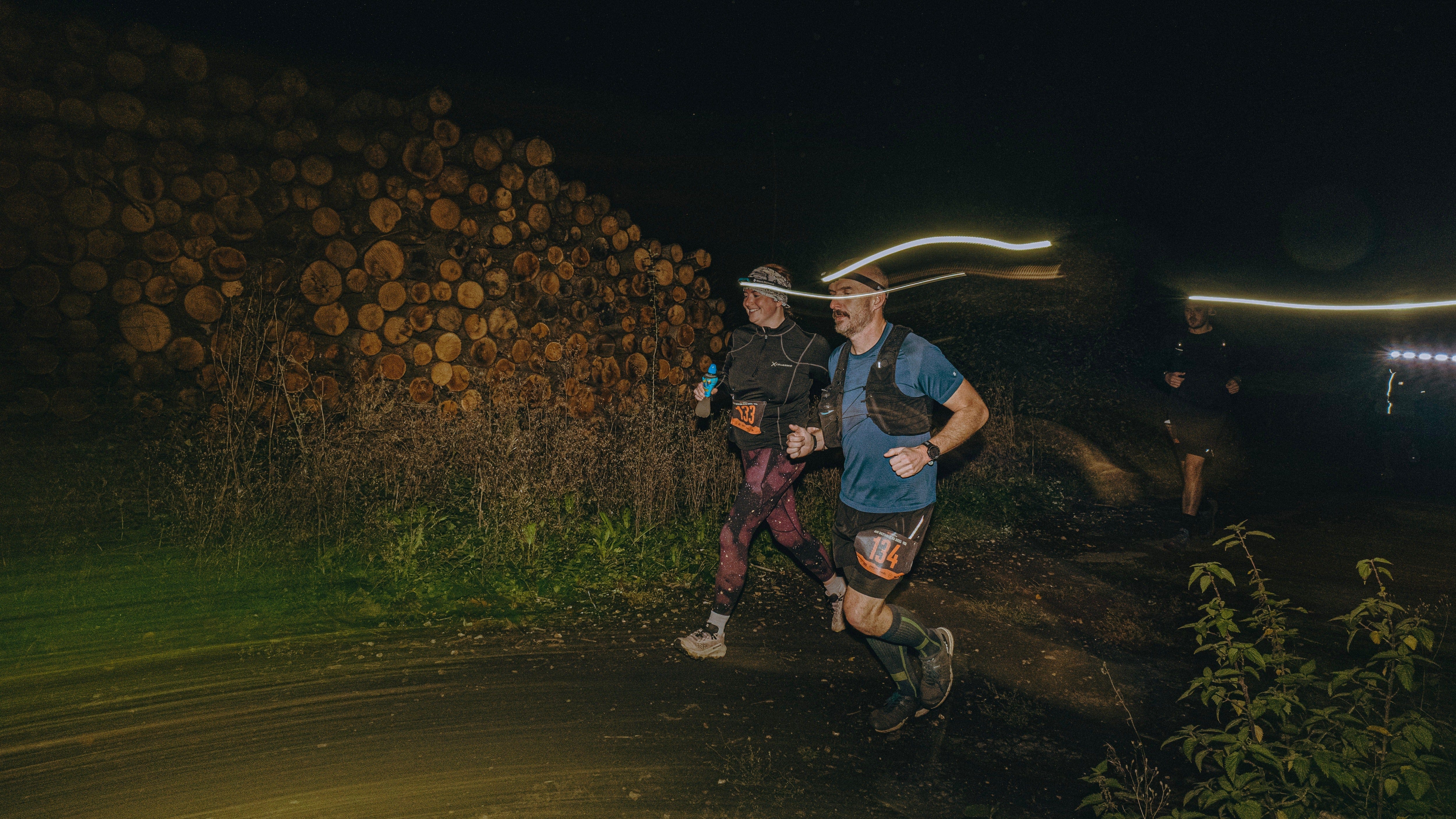
The concept is simple but brutal. A loop of 4.167 miles – otherwise known as a “yard” – is mapped out, and participants must complete it within an hour. At the start of the next hour, they go again. They continue completing one yard per hour for as long as they can until they can go no more and decline to start the next lap, or finish the circuit after the 60-minute time limit has elapsed. The very precise distance of the route is no accident; those who manage to keep going for 24 hours, completing 24 yards, will have covered 100 miles exactly.
There is no minimum or maximum distance for a backyard ultra; there is no official “finish line”. The winner is the last man – or woman – standing, and the race automatically ends when the penultimate contender (known as “the assist”) drops out, leaving one person remaining. That person is also the only runner to officially “finish” the race; everyone else is recorded as DNF (Did Not Finish).
A backyard ultra is so easy to understand and such a compact format, it can easily be televised and shows plenty of emotions and suffering. So I assume that we will see this format more often in the next few years.
Can Running Influencers Be Trusted?

Raz was at UTMB as a guest of HOKA, the race’s title sponsor. HOKA gave him access to athletes, senior employees and the race, and gets coverage in return. He still decides what the content is. He interviewed a few HOKA athletes who didn’t start or didn’t finish, and he asked the brand whether it really wanted him highlighting that. Some of those athletes had great stories, and he’s still posting them. Compare that with the content from the same trip that amounted to “loving the HOKA Tecton X4.”
Raz doesn’t write about product at all. He told me he buys his own shoes, which was the craziest thing he said all day.
Awesome to see two of my favorite people in the running creator space hanging out together. Unfortunately there are too many people out there who do not have any standards when it comes to working with brands.
If you missed last week’s edition, you can read it here:

Now, go running!
— Nico
🏃🏻♂️